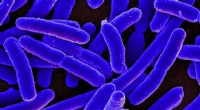
* Prokaryotic cells: These are the simplest form of cells, lacking a nucleus and other membrane-bound organelles. They are considered the most primitive type of cell.
* Protists: These are a diverse group of eukaryotic organisms, meaning they have a nucleus and other organelles. They are more complex than prokaryotes but are still considered relatively simple compared to plants, animals, and fungi.
* Yeast: Yeast is a type of fungus. Fungi are eukaryotes and are more complex than protists.
* Heterotrophic: This is a mode of nutrition, not a specific type of cell. Heterotrophs obtain their food from other organisms, unlike autotrophs who produce their own food (like plants).
Conclusion:
Prokaryotic cells are considered the most primitive because they lack the complex internal structure found in eukaryotic cells.
Here's a simple way to think about it:
1. Prokaryotes: Simplest, most ancient.
2. Protists: More complex than prokaryotes.
3. Yeast (fungi): Even more complex than protists.