Research and Scientific Applications:
* Understanding development and genetics: Cloning allows scientists to study embryonic development, gene expression, and the role of different genes in complex traits.
* Disease models: Cloning can create animals with specific genetic mutations, making them valuable models for studying human diseases like cancer, Alzheimer's, and cystic fibrosis.
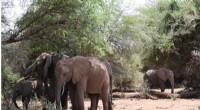
* Conservation efforts: Cloning endangered species could help to prevent extinction, though ethical considerations are significant.
* Xenotransplantation: Cloning animals with organs suitable for transplantation into humans is a potential solution for organ shortage, though challenges remain in preventing rejection and disease transmission.
Commercial Applications:
* Livestock improvement: Cloning allows farmers to replicate the best animals with desirable traits like milk production, meat quality, or disease resistance.
* Pet cloning: Some companies offer pet cloning services, allowing owners to potentially recreate a deceased pet. This is controversial due to ethical and practical concerns.
Other Reasons:
* Reproduction: Cloning can be used to reproduce valuable animals that cannot reproduce naturally, such as animals with genetic defects.
* Ethical considerations: Some individuals believe cloning is morally wrong, while others support it based on potential benefits for animal welfare or human health.
Important Considerations:
* Ethical Concerns: Cloning raises ethical questions regarding animal welfare, genetic diversity, and the potential for misuse.
* Technical Challenges: Cloning is a complex and often inefficient process with a high failure rate.
* Long-term Effects: The long-term effects of cloning on animal health and well-being are still not fully understood.
It's crucial to recognize that cloning animals is a controversial topic with both potential benefits and drawbacks. While it may hold promise for scientific advancement and commercial applications, it also raises ethical concerns that need to be carefully considered.