Here's a breakdown of their role:
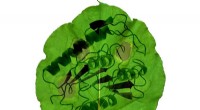
* Chloroplasts are organelles found within plant cells, specifically in the mesophyll layer of leaves.
* They contain chlorophyll, the green pigment that absorbs light energy.
* Chlorophyll captures light energy from the sun and converts it into chemical energy.
* Thylakoids, membrane-bound compartments within chloroplasts, are the sites where light-dependent reactions of photosynthesis occur.
* Stroma, the fluid surrounding the thylakoids, is where the Calvin cycle (light-independent reactions) takes place.
Other cells involved indirectly:
* Guard cells in leaves control the opening and closing of stomata, allowing for gas exchange (carbon dioxide in, oxygen out).
* Xylem transports water from roots to leaves, which is essential for photosynthesis.
* Phloem transports sugars produced by photosynthesis throughout the plant.
So while chloroplasts are the key players in photosynthesis, these other cells support the process and ensure its success.