1. The Physical Basis of Life:
* Atoms and Molecules: Biological processes are governed by the laws of chemistry, which are ultimately based on physics. The interactions of atoms and molecules within cells, such as the formation of bonds and the transfer of energy, are governed by fundamental physical principles.
* Energy Transfer: Living organisms require energy to survive. The processes of photosynthesis, cellular respiration, and even muscle contraction rely on the principles of thermodynamics, which describe how energy is transferred and transformed.
* Forces and Motion: The movement of molecules within cells, the flow of blood through our bodies, and the movement of organisms are all governed by physical laws like Newton's laws of motion.
2. Biological Structures and Processes:
* Biomechanics: The study of the mechanics of living organisms, including how muscles and bones work together, is a fascinating area where physics plays a key role.
* Fluid Dynamics: The flow of fluids within our bodies (blood, lymph, air) is a crucial aspect of biological function. Physical laws governing fluid flow help us understand how our circulatory and respiratory systems work.
* Electromagnetism: The nervous system relies on electrical signals to communicate. This electrical activity is governed by the principles of electromagnetism, which also influence the function of our muscles.
3. Tools and Techniques:
* Imaging: Advanced imaging techniques like MRI, PET scans, and X-ray diffraction rely heavily on physical principles to visualize biological structures and processes at various scales.
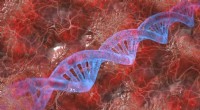
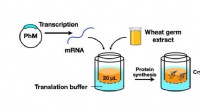
* Biotechnology: Many biotechnology tools and techniques, such as gene sequencing and protein engineering, are based on physical and chemical principles.
4. Interdisciplinary Fields:
* Biophysics: This dedicated field studies biological phenomena using physical principles and methods. It covers a wide range of areas, including the mechanics of molecular motors, the physics of DNA replication, and the physics of sensory perception.
* Computational Biology: This field uses computer simulations and algorithms based on physical principles to model and understand complex biological systems.
Examples of Physics in Action:
* Bird Flight: The shape of a bird's wings and the aerodynamics of its flight are governed by physical principles.
* Photosynthesis: The capture of sunlight and the conversion of energy during photosynthesis are explained by principles of quantum mechanics.
* Muscle Contraction: The movement of muscles relies on the interaction of proteins that is influenced by electrostatic forces.
Conclusion:
Physics provides the foundational framework for understanding life at its most fundamental levels. By combining knowledge of physics and biology, we can gain deeper insights into the complexities of living organisms and develop new technologies to improve human health and well-being.