1. Variation:
* Genetic Mutations: The foundation of evolution. Random changes in an organism's DNA introduce new traits. These mutations can be beneficial, harmful, or neutral.
* Gene Flow: The transfer of genetic material between populations. This can introduce new alleles (variations of a gene) and alter allele frequencies.
* Sexual Reproduction: The shuffling of genes during meiosis and the combination of parental DNA in offspring create genetic diversity.
2. Selection:
* Natural Selection: The environment acts as a filter, favoring individuals with traits that enhance their survival and reproduction. These individuals are more likely to pass on their genes, leading to the spread of advantageous traits in a population.
* Sexual Selection: Individuals with traits that increase their attractiveness to mates are more likely to reproduce, leading to the evolution of those traits.
* Artificial Selection: Humans intentionally select and breed organisms with desirable traits, leading to dramatic changes in domesticated species.
3. Drift:
* Genetic Drift: Random fluctuations in allele frequencies, especially in small populations. This can cause traits to become more or less common, even if they are not beneficial or harmful.
* Founder Effect: A small group of individuals starts a new population, carrying only a subset of the original population's genetic diversity. This can lead to rapid evolution as allele frequencies shift in the new population.
* Bottleneck Effect: A drastic reduction in population size due to a catastrophic event can reduce genetic diversity and lead to the fixation of certain alleles.
4. Other Factors:
* Co-evolution: The reciprocal evolutionary influence between two species that interact closely. For example, predators and prey evolve adaptations in response to each other.
* Epigenetics: Heritable changes in gene expression that do not involve alterations to the DNA sequence itself. These changes can influence traits and contribute to evolutionary adaptation.
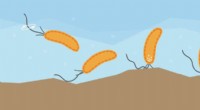
* Horizontal Gene Transfer: The transfer of genetic material between organisms that are not parent and offspring. This is common in bacteria and can introduce new genes and lead to rapid evolution.
It's important to understand that evolution is not a directed process. It is not about striving for "perfection." Evolution is the outcome of chance variations (mutations) and environmental pressures (selection) acting on populations over time. This leads to the gradual accumulation of adaptations that help organisms survive and reproduce in their environment.