Organelles Surrounded by a Membrane (Membrane-Bound)
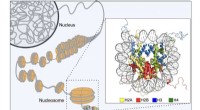
* Nucleus: Contains the cell's genetic material (DNA) and is responsible for controlling cellular activities. It has a double membrane called the nuclear envelope.
* Endoplasmic Reticulum (ER): A network of interconnected membranes involved in protein synthesis (rough ER) and lipid synthesis (smooth ER).
* Golgi Apparatus: A stack of flattened sacs that modify, package, and sort proteins and lipids for transport within the cell or secretion outside the cell.
* Mitochondria: The "powerhouses" of the cell, responsible for generating energy (ATP) through cellular respiration. They have a double membrane system (inner and outer).
* Lysosomes: Contain enzymes that break down waste materials, cellular debris, and engulfed bacteria.
* Peroxisomes: Small, membrane-bound organelles that contain enzymes involved in various metabolic reactions, including detoxification and lipid metabolism.
* Vacuoles: Large, fluid-filled sacs that store water, nutrients, and waste products. (Plant cells have a large central vacuole, while animal cells have smaller vacuoles.)
Organelles Not Surrounded by a Membrane (Non-Membrane Bound)
* Ribosomes: Tiny organelles responsible for protein synthesis. They are made up of ribosomal RNA (rRNA) and proteins.
* Centrioles: Found in animal cells, they play a role in cell division (specifically, organizing microtubules).
* Cytoskeleton: A network of protein filaments that provides structural support and helps with movement within the cell.
Important Note: While the majority of organelles fit neatly into these categories, some organelles might have a less defined membrane or have different structures depending on the type of cell.