1. Metabolism:
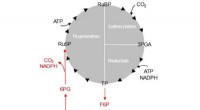
* Energy production: Cells extract energy from nutrients (like sugars and fats) through processes like cellular respiration, using this energy for other cellular activities.
* Anabolism: Building complex molecules (like proteins, carbohydrates, and nucleic acids) from simpler ones.
* Catabolism: Breaking down complex molecules into simpler ones to release energy or building blocks.
2. Growth and Development:
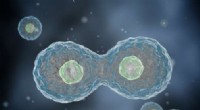
* Cell division: Cells replicate themselves through processes like mitosis and meiosis, enabling growth and development of organisms.
* Differentiation: Cells specialize into different types with specific functions (e.g., muscle cells, nerve cells).
3. Reproduction:
* Gamete formation: Reproductive cells (sperm and eggs) are produced through meiosis.
* Fertilization: The fusion of gametes to create a new individual.
4. Response to Stimuli:
* Irritability: Cells react to changes in their environment (e.g., changes in temperature, light, or chemical concentration).
* Adaptation: Cells adjust their structure and function to better suit their environment.
5. Homeostasis:
* Maintaining internal equilibrium: Cells regulate their internal environment (e.g., water balance, pH, temperature) to maintain optimal conditions for life.
6. Transport:
* Movement of substances: Cells transport molecules across their membranes (e.g., nutrients in, waste out) using various mechanisms.
7. Communication:
* Signaling: Cells communicate with each other using chemical signals (e.g., hormones, neurotransmitters) to coordinate activities.
8. Structure and Support:
* Cytoskeleton: Cells have internal frameworks that provide structural support and facilitate movement.
* Extracellular matrix: Cells secrete materials that form a network outside the cell, providing support and structure to tissues.
These functions are interconnected and work together to maintain the life of a cell and the organism it is part of. Each function is vital for survival, and disruption of any one can lead to disease or dysfunction.