Evolution is a complex process with various ways it can manifest. Here are some common classifications:
Types of Evolution:
* Microevolution: Changes within a population's gene pool over time, often resulting in adaptation to specific environments. Examples include antibiotic resistance in bacteria and changes in beak size in finches.
* Macroevolution: Large-scale evolutionary change over longer periods, leading to the formation of new species, families, or even higher taxonomic groups. Examples include the diversification of mammals after the extinction of dinosaurs and the evolution of humans from our primate ancestors.
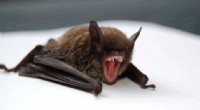
* Convergent Evolution: Independent development of similar traits in unrelated species due to similar environmental pressures. Examples include the streamlined bodies of dolphins and sharks, and the wings of bats, birds, and insects.
* Divergent Evolution: The accumulation of differences between populations of the same species, leading to speciation. Examples include the diversification of Darwin's finches on the Galapagos Islands, and the evolution of different human races.
Rates of Evolution:
* Punctuated Equilibrium: Long periods of relative stasis punctuated by short bursts of rapid change. This is often associated with rapid environmental change, such as mass extinction events.
* Gradualism: Evolutionary change occurs slowly and steadily over long periods. This is often associated with stable environments where organisms are well-adapted.
* Rapid Evolution: Evolutionary change can be rapid under certain circumstances, such as strong selection pressures (e.g., antibiotic resistance in bacteria), or the introduction of new species into a new environment (e.g., invasive species).
Factors Influencing Rates of Evolution:
* Generation Time: Organisms with shorter generation times can evolve faster because mutations accumulate more quickly.
* Selection Pressure: Strong selection pressures (e.g., predation, disease) can drive rapid evolution, while weak selection pressures can lead to slower change.
* Genetic Variation: A larger amount of genetic variation within a population allows for greater adaptability and potential for evolution.
* Population Size: Smaller populations are more prone to genetic drift, which can lead to rapid changes in allele frequencies.
* Environmental Change: Rapid or drastic environmental changes can accelerate evolution, while stable environments may favor slower rates of change.
It is important to note:
* These classifications are not mutually exclusive, and different types of evolution can occur simultaneously.
* Evolution is a continuous process, and the rate of change can vary significantly depending on the specific circumstances.
* Evolution is not always about becoming "better" or "more complex"; it is about adapting to the environment and surviving.
By understanding these different aspects of evolution, we can better appreciate the diversity of life on Earth and its fascinating history.