Here's a breakdown:
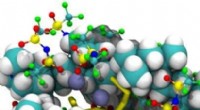
* Glycocalyx: This is a sugar coating that covers the external surface of cells. It's composed of carbohydrates (sugars) linked to lipids (glycolipids) and proteins (glycoproteins) within the cell membrane.
* Recognition proteins: These are proteins embedded in the cell membrane that help cells recognize and interact with each other, as well as with other molecules in their environment.
* Function of the glycocalyx:
* Cell recognition and adhesion: The unique sugar patterns on the glycocalyx act like "identification tags," allowing cells to recognize and interact with each other.
* Protection: The glycocalyx can act as a barrier, protecting the cell from damage.
* Cell signaling: The glycocalyx can bind to signaling molecules and influence cell behavior.
Let me know if you'd like to know more about any of these concepts!