Essential Organelles:
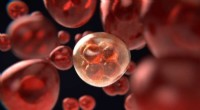
* Nucleus: Contains the genetic material (DNA) of the egg cell. It has a prominent nucleolus responsible for ribosome synthesis.
* Mitochondria: Provide energy for the egg cell's metabolic processes. They have their own DNA and play a crucial role in cell survival.
* Ribosomes: Responsible for protein synthesis, vital for cell growth and development.
* Endoplasmic Reticulum (ER): A network of membranes involved in protein and lipid synthesis.
* Golgi Apparatus: Modifies, packages, and transports proteins and lipids.
* Cytoplasm: The jelly-like substance within the cell membrane, containing various organelles and providing a medium for cellular processes.
Unique Features:
* Zona Pellucida: A thick, glycoprotein layer surrounding the egg cell. This layer protects the egg and plays a role in sperm recognition.
* Cortical Granules: Tiny vesicles filled with enzymes that are released upon fertilization, preventing additional sperm from entering the egg.
* Yolk Granules: Nutritive substances stored in the cytoplasm, providing energy and essential nutrients for the developing embryo.
* Centrioles: Essential for organizing microtubules during cell division. In eggs, they are typically absent or degenerate.
Key Differences from Typical Cells:
* Large Size: Egg cells are typically much larger than most other cells in the body.
* High Nutrient Stores: They contain a large amount of yolk granules to provide energy and nutrients to the developing embryo.
* Unique Protective Layers: The zona pellucida and cortical granules offer protection and regulate sperm entry.
Note: The specific organelles and their abundance may vary slightly depending on the species and stage of development of the egg cell.