1. Cells:
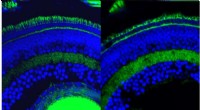
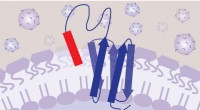
* The fundamental unit of life. They are the smallest structures that can carry out all the processes necessary for life.
* Examples: Nerve cells, muscle cells, blood cells.
2. Tissues:
* Groups of similar cells that work together to perform a specific function.
* Examples: Muscle tissue, nervous tissue, connective tissue.
3. Organs:
* Structures made up of different tissues that work together to perform a more complex function.
* Examples: Heart, lungs, brain, stomach.
4. Organ Systems:
* Groups of organs that work together to carry out a major bodily function.
* Examples: Digestive system, circulatory system, nervous system.
5. Organisms:
* A complete living being made up of multiple organ systems working together.
* Examples: Humans, animals, plants.
6. Populations:
* A group of organisms of the same species living in the same area.
* Examples: A herd of deer, a colony of ants, a flock of birds.
7. Communities:
* All the different populations of organisms living in the same area.
* Examples: A forest community, a coral reef community, a desert community.
8. Ecosystems:
* A community of organisms and their physical environment.
* Examples: A rainforest ecosystem, a lake ecosystem, a grassland ecosystem.
9. Biomes:
* Large-scale ecosystems characterized by a particular climate and vegetation.
* Examples: Tropical rainforest biome, desert biome, tundra biome.
10. Biosphere:
* The sum of all the Earth's ecosystems. It encompasses all life on Earth and its physical environment.
This hierarchical organization helps us understand how life is interconnected, from the smallest cell to the entire planet. Each level builds upon the previous one, demonstrating the complexity and interconnectedness of life.