1. Structure:
* Primary Structure: The amino acid sequence of the polypeptide chain. Even a single amino acid change can significantly alter an enzyme's activity.
* Secondary Structure: Local folding patterns like alpha-helices and beta-sheets. These structures are crucial for the enzyme's overall shape and function.
* Tertiary Structure: The three-dimensional shape of the entire polypeptide chain. This structure determines the active site and the enzyme's interaction with substrates.
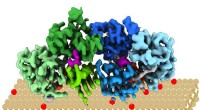
* Quaternary Structure: The arrangement of multiple polypeptide chains (subunits) in a complex. Some enzymes require multiple subunits for proper function.
2. Specificity:
* Substrate Specificity: The ability of an enzyme to bind and catalyze a specific substrate or a small group of substrates. Some enzymes are highly specific, while others can act on a broader range of molecules.
* Stereospecificity: The ability of an enzyme to distinguish between different stereoisomers of a substrate. This is important for reactions involving chiral molecules.
3. Activity:
* Optimal pH: Each enzyme has a specific pH at which it exhibits its highest activity. Changes in pH can alter the enzyme's shape and affect its ability to bind to the substrate.
* Optimal Temperature: Enzymes have an optimal temperature range for activity. High temperatures can denature the enzyme, while low temperatures slow down the reaction rate.
* Km Value: A measure of the enzyme's affinity for its substrate. A lower Km indicates a higher affinity.
* Vmax: The maximum velocity of an enzyme-catalyzed reaction. This value represents the point where the enzyme is fully saturated with substrate.
* Turnover Number: The number of substrate molecules converted to product per unit time by a single enzyme molecule. This reflects the efficiency of the enzyme.
4. Regulation:
* Allosteric Regulation: Inhibition or activation of enzyme activity by binding of molecules to a site other than the active site.
* Feedback Inhibition: Regulation where the product of a reaction inhibits the enzyme that catalyzes the reaction.
* Covalent Modification: Changes in enzyme activity by addition or removal of chemical groups like phosphorylation or acetylation.
5. Location:
* Cellular Localization: Enzymes can be located in different cellular compartments, including the cytoplasm, mitochondria, nucleus, and Golgi apparatus.
* Tissue Specificity: Certain enzymes are found in specific tissues or organs, reflecting their specialized functions.
These characteristics illustrate the diversity and complexity of enzymes, allowing them to catalyze a wide range of biochemical reactions essential for life. Understanding these differences is crucial for comprehending the intricate mechanisms of cellular processes and for developing new drugs and therapies.