1. Specialization of Cells:
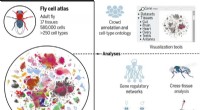
- Cells within the organism differentiate into different types, each with a specific function.
- This specialization leads to a division of labor, allowing the organism to perform complex tasks.
- Examples: muscle cells for movement, nerve cells for communication, epithelial cells for protection.
2. Cell-Cell Communication:
- Cells are interconnected and communicate with each other through signaling pathways.
- This communication allows for coordination of activities and ensures that the organism functions as a whole.
3. Interdependence:
- Cells are dependent on each other for survival and function.
- No single cell can survive on its own, highlighting the importance of the organism's structure and interactions.
4. Tissues, Organs, and Organ Systems:
- Multicellular organisms have specialized tissues, organs, and organ systems.
- Tissues are groups of similar cells that perform a specific function.
- Organs are composed of different tissues that work together.
- Organ systems are groups of organs that perform a common function.
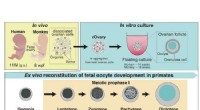
5. Development from a Single Cell:
- Multicellular organisms develop from a single fertilized egg cell through a process called embryogenesis.
- This process involves cell division, differentiation, and pattern formation.
6. Limited Individual Cell Function:
- Individual cells in a multicellular organism are limited in their abilities.
- They cannot survive on their own, perform complex functions, or reproduce independently.
7. Coordinated Growth and Development:
- Multicellular organisms have coordinated growth and development processes.
- This ensures that all parts of the organism grow and function in a synchronized manner.
8. Death of Individual Cells:
- Multicellular organisms experience death of individual cells as part of their normal life cycle.
- This is balanced by cell division and regeneration, maintaining the organism's integrity.
Meeting all these criteria distinguishes a multicellular organism from a simple collection of cells, such as a colony of bacteria or a clump of algae. The complex interplay of cells, their specialization, communication, and interdependence, are what define a true multicellular organism.