1. Chemical Level:
* Atoms: The fundamental building blocks of all matter, including carbon, hydrogen, oxygen, nitrogen, etc.
* Molecules: Two or more atoms bonded together, forming structures like water, proteins, carbohydrates, lipids, and nucleic acids.
2. Cellular Level:
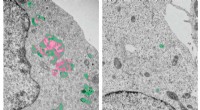
* Cells: The basic, functional, and structural units of life. They are composed of organelles, each with a specific function. Examples include muscle cells, nerve cells, blood cells, etc.
3. Tissue Level:
* Tissues: Groups of similar cells working together to perform a specific function. Four primary tissue types:
* Epithelial tissue: Covers body surfaces, lines body cavities, and forms glands.
* Connective tissue: Supports and binds other tissues, including bone, cartilage, blood, and adipose tissue.
* Muscle tissue: Responsible for movement, including skeletal muscle, smooth muscle, and cardiac muscle.
* Nervous tissue: Transmits information throughout the body via neurons and glial cells.
4. Organ Level:
* Organs: Structures composed of two or more tissues working together for a common purpose. Examples include the heart, lungs, stomach, liver, brain, skin, etc.
5. Organ System Level:
* Organ Systems: Groups of organs that work together to carry out major bodily functions. The human body has 11 organ systems:
* Integumentary system: Skin, hair, nails; protection, temperature regulation.
* Skeletal system: Bones, cartilage, ligaments; support, protection, movement.
* Muscular system: Muscles; movement, posture, heat production.
* Nervous system: Brain, spinal cord, nerves; control and coordination of body functions.
* Endocrine system: Glands that secrete hormones; regulation of body functions.
* Cardiovascular system: Heart, blood vessels; transport of blood, oxygen, and nutrients.
* Lymphatic system: Lymphatic vessels, lymph nodes; immunity, fluid balance.
* Respiratory system: Lungs, airways; gas exchange.
* Digestive system: Mouth, esophagus, stomach, intestines; breakdown and absorption of food.
* Urinary system: Kidneys, bladder; waste removal, fluid balance.
* Reproductive system: Male and female reproductive organs; production of offspring.
6. Organism Level:
* Human organism: The complete living being, a complex system composed of all the levels above, working together to maintain life and carry out essential functions.
Beyond the physical:
It's important to note that the human organism is more than just its physical components. Psychological and social factors also play crucial roles in shaping our overall well-being. These include:
* Mental health: Our thoughts, feelings, and emotions.
* Social interactions: Our relationships with others.
* Environmental factors: Our surroundings and how they impact our health.
In essence, the total human organism is a complex and dynamic entity, shaped by a combination of physical, psychological, and social factors.