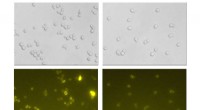
Cells are the fundamental building blocks of all living organisms. Imagine them as tiny cities, each with its own specialized structures that work together to keep the city running. Here's a look at the key components of a typical cell:
1. The Cell Membrane:
* Function: The outer boundary of the cell, acting as a gatekeeper controlling what enters and exits.
* Structure: A thin, flexible layer composed of lipids and proteins. It's selectively permeable, meaning it allows some substances to pass through while blocking others.
2. The Cytoplasm:
* Function: The gel-like substance that fills the cell, providing a medium for organelles to move and function.
* Structure: A complex mixture of water, salts, proteins, and other molecules.
3. The Nucleus:
* Function: The control center of the cell, containing the cell's genetic information (DNA).
* Structure: A spherical structure enclosed by a double membrane called the nuclear envelope. It contains the nucleolus, where ribosomes are produced.
4. Ribosomes:
* Function: Protein factories of the cell, translating genetic instructions from the nucleus into proteins.
* Structure: Tiny structures made of RNA and proteins, found either free in the cytoplasm or attached to the endoplasmic reticulum.
5. Endoplasmic Reticulum (ER):
* Function: A network of interconnected membranes that plays a role in protein synthesis, lipid synthesis, and detoxification.
* Structure: Two types:
* Rough ER: Studded with ribosomes, involved in protein synthesis.
* Smooth ER: Lacks ribosomes, involved in lipid synthesis and detoxification.
6. Golgi Apparatus:
* Function: Processes and packages proteins and lipids for delivery within or outside the cell.
* Structure: A stack of flattened, membrane-bound sacs called cisternae.
7. Mitochondria:
* Function: Powerhouses of the cell, converting food into usable energy (ATP) through cellular respiration.
* Structure: Oval-shaped organelles with a double membrane. The inner membrane is folded into cristae, increasing its surface area for energy production.
8. Lysosomes:
* Function: Recycling centers of the cell, breaking down cellular debris, worn-out organelles, and ingested foreign substances.
* Structure: Small, spherical organelles enclosed by a single membrane containing powerful digestive enzymes.
9. Vacuoles:
* Function: Storage compartments for water, nutrients, and waste products.
* Structure: Large, fluid-filled sacs enclosed by a single membrane.
10. Cytoskeleton:
* Function: Provides structural support, helps with cell movement, and transports materials within the cell.
* Structure: A network of protein fibers, including:
* Microtubules: Long, hollow tubes that form tracks for the movement of organelles and chromosomes.
* Microfilaments: Thin, solid fibers that help with cell movement and shape.
Important Note: The above structures are found in eukaryotic cells, which are more complex than prokaryotic cells. Prokaryotic cells, like bacteria, lack a nucleus and other membrane-bound organelles.
This is a basic overview of the major structures found in a typical cell. Each component plays a vital role in maintaining life, demonstrating the intricate and fascinating complexity of the smallest building blocks of life.