1. Mitosis:
* This is the most common type of cell division and is responsible for growth, repair, and replacement of cells.
* It produces two identical daughter cells from one parent cell.
* The process involves the duplication of the cell's DNA, followed by the separation of the duplicated chromosomes into two new nuclei.
* Finally, the cytoplasm divides, creating two new cells.
2. Meiosis:
* This type of cell division is specifically for sexual reproduction.
* It produces four daughter cells, each with half the number of chromosomes as the parent cell.
* Meiosis involves two rounds of cell division, resulting in four genetically unique gametes (sperm or egg cells).
Here's a breakdown of how cell division contributes to an organism's growth and development:
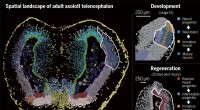
* Growth: From a single fertilized egg, an organism grows by adding new cells through mitosis. This increase in cell number leads to the development of tissues, organs, and ultimately, a complete organism.
* Repair: When tissues are damaged, mitosis helps replace lost or damaged cells. This process is crucial for healing wounds and maintaining the integrity of the body.
* Replacement: Mitosis continuously replaces old or worn-out cells with new ones, ensuring that tissues and organs function properly throughout the organism's lifetime.
Factors that influence cell division:
* Growth factors: Proteins that stimulate cell division.
* Hormones: Chemical messengers that regulate cell growth and development.
* Nutrient availability: Cells need nutrients to grow and divide.
* Environmental factors: Temperature, oxygen levels, and other environmental factors can affect cell division.
In summary: Cell division is a fundamental process that enables organisms to grow, repair, and replace cells, ultimately contributing to the development and maintenance of life.