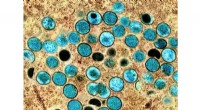
Analyzing the internal structure of a cell is crucial for understanding how it functions. This involves understanding the different components and their interactions.
Levels of Analysis:
1. Macroscopic Level:
- Observing the cell's overall shape and size using light microscopy.
- Identifying basic structures like the nucleus, cytoplasm, and cell membrane.
2. Microscopic Level:
- Using electron microscopy to visualize the fine details of cellular organelles.
- Studying the arrangement, composition, and function of organelles like:
* Nucleus: Contains genetic material (DNA) and controls cellular activities.
* Ribosomes: Synthesize proteins.
* Endoplasmic Reticulum (ER): Network of membranes involved in protein synthesis, lipid metabolism, and detoxification.
* Golgi Apparatus: Processes and packages proteins and lipids for secretion or transport within the cell.
* Mitochondria: Powerhouses of the cell, responsible for ATP production through cellular respiration.
* Lysosomes: Contain enzymes for breaking down waste products and cellular debris.
* Vacuoles: Storage compartments for water, nutrients, and waste products.
* Cytoskeleton: Network of protein filaments providing structure and support, enabling movement, and facilitating transport within the cell.
3. Molecular Level:
- Studying the biochemical composition of organelles and their specific functions.
- Understanding the complex interactions between proteins, lipids, and nucleic acids that determine the cell's behavior.
Techniques Used for Analysis:
* Light microscopy: Observing cells and their basic structures.
* Electron microscopy (TEM & SEM): Visualizing the fine details of cell organelles and structures.
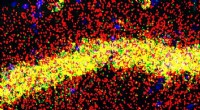
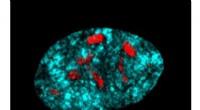
* Immunofluorescence microscopy: Using fluorescently labeled antibodies to target and visualize specific proteins within the cell.
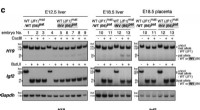
* Biochemical techniques: Separating and analyzing cellular components, like protein electrophoresis and DNA sequencing.
* Genetic analysis: Studying gene expression and its role in cellular function.
Applications of Cell Structure Analysis:
* Understanding disease mechanisms: Cellular dysfunction is often linked to abnormalities in cell structure and function.
* Developing new treatments: Targeted therapies can be designed to interfere with specific cellular processes or pathways.
* Tissue engineering: Understanding cell structure is essential for creating artificial tissues and organs.
* Biotechnology: Cellular components can be used to develop new diagnostic tools, therapeutic agents, and biomaterials.
Conclusion:
Analyzing the internal structure of a cell involves a multi-faceted approach, encompassing different levels of analysis and a range of techniques. This provides a deep understanding of the complex machinery responsible for life and opens up possibilities for addressing various challenges in medicine, biotechnology, and other fields.