* Eukaryotic cells: These are cells with a nucleus and other membrane-bound organelles. They are considered more complex than prokaryotic cells (bacteria and archaea) and are the building blocks of all plants, animals, fungi, and protists.
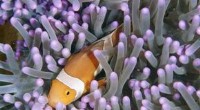
* Multicellular organisms: These organisms are composed of many cells that work together to form tissues, organs, and organ systems. This level of organization allows for greater complexity and specialization.
* Complex organisms: This term is often used to describe organisms with advanced nervous systems, sophisticated sensory organs, and complex behaviors.
* Higher organisms: This term is sometimes used to refer to organisms that are more evolved, particularly in terms of their nervous systems and cognitive abilities.
It's important to remember that "advanced" is a relative term. All life forms are complex and have evolved over millions of years. What we consider "advanced" today may not be considered so in the future as we continue to learn more about the diversity of life on Earth.