* Lichens: These fascinating organisms are a symbiotic partnership between fungi and algae. They are often the first to colonize bare rock, breaking it down with their acids and creating a thin layer of soil.
* Mosses: These small, non-vascular plants can also thrive in harsh conditions. They help to trap moisture and nutrients, making the environment more hospitable for other plants.
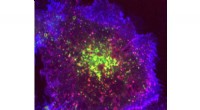
* Nitrogen-fixing bacteria: These bacteria are crucial for converting atmospheric nitrogen into a form that plants can use. They are often found in the soil of pioneer communities, enriching the environment.
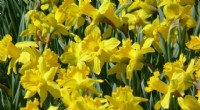
* Certain grasses and wildflowers: Some species of grasses and wildflowers are adapted to grow in poor soils and can tolerate harsh conditions. They contribute to building up the soil over time.
Why these organisms are considered "pioneers"
Pioneer organisms are the first to colonize a barren or disturbed environment. They are specially adapted to survive in these conditions, which often lack nutrients, water, and stable soil. By breaking down rock, trapping moisture, and fixing nitrogen, they create the conditions that allow other plants and animals to eventually join the community, leading to ecological succession.