Animals:
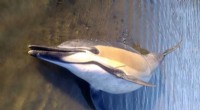
* Mammals: Humans, dogs, cats, whales, elephants
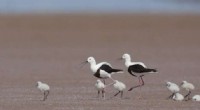
* Birds: Chickens, eagles, penguins, ostriches
* Reptiles: Snakes, lizards, turtles, crocodiles
* Amphibians: Frogs, toads, salamanders
* Fish: Salmon, tuna, sharks, goldfish
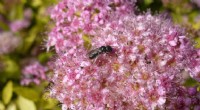
* Insects: Butterflies, bees, ants, beetles
Plants:
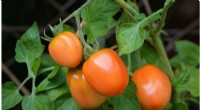
* Flowering plants: Roses, tulips, sunflowers, trees
* Conifers: Pine trees, fir trees, cedar trees
* Ferns: Maidenhair fern, Boston fern, staghorn fern
Fungi:
* Mushrooms: Button mushrooms, shiitake mushrooms, oyster mushrooms
* Yeasts: Saccharomyces cerevisiae (brewer's yeast)
* Molds: Penicillium, Aspergillus
Protists:
* Algae: Green algae, red algae, brown algae
* Protozoa: Amoeba, Paramecium
Note: While most multicellular organisms reproduce sexually, there are some exceptions. For example, some species of plants, like dandelions, reproduce asexually. Additionally, some animals, like sea anemones and starfish, can reproduce both sexually and asexually.