1. Double Helix:
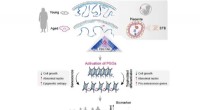
* Stability: The two strands of DNA twist around each other to form a double helix. This structure provides stability and protection for the delicate genetic code.
* Replication: The double helix structure allows for accurate replication. The two strands separate, and each strand acts as a template for the creation of a new complementary strand. This ensures that the genetic information is passed on correctly from one generation to the next.
2. Base Pairing:
* Specificity: The four nitrogenous bases (Adenine, Thymine, Guanine, and Cytosine) pair specifically with each other (A-T, G-C). This specificity is crucial for encoding genetic information.
* Information Storage: The sequence of these bases along the DNA molecule forms the genetic code, which determines the sequence of amino acids in proteins, ultimately defining the characteristics of an organism.
3. Sugar-Phosphate Backbone:
* Structural Support: The sugar-phosphate backbone provides structural support and flexibility for the DNA molecule. This allows DNA to coil and unwind during replication and transcription.
* Negatively Charged: The phosphate groups give DNA a negative charge, which helps to keep the double helix stable.
4. Chromosomes:
* Organization: DNA is packaged into chromosomes, which are long, linear structures that allow the vast amount of genetic information to be organized and efficiently stored within the nucleus of a cell.
* Cell Division: Chromosomes are duplicated and distributed to daughter cells during cell division, ensuring each cell receives a complete copy of the genetic code.
In summary:
* The double helix structure provides stability and facilitates replication.
* Base pairing ensures accurate encoding and decoding of genetic information.
* The sugar-phosphate backbone supports the structure and allows for flexibility.
* The organization into chromosomes enables efficient storage, replication, and distribution of genetic information.
This intricate structure of DNA is a testament to the beauty and efficiency of nature's design. Its remarkable features enable it to effectively store, replicate, and express the blueprint of life, making it the foundation of all biological processes.