1. Carbon dioxide (CO2): This is the primary source of carbon for the cycle. It is incorporated into an existing five-carbon sugar molecule called ribulose bisphosphate (RuBP).
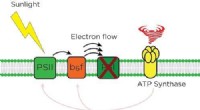
2. ATP (adenosine triphosphate): This is the energy currency of the cell, providing the energy needed to drive the reactions of the cycle. ATP is produced during the light-dependent reactions of photosynthesis.
3. NADPH (nicotinamide adenine dinucleotide phosphate): This is a reducing agent, meaning it carries electrons and helps to convert carbon dioxide into sugar. It is also produced during the light-dependent reactions of photosynthesis.
These three substances work together to convert CO2 into glucose, the primary sugar produced by photosynthesis.