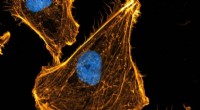
* Cell type: Different cell types have different lifespans and division rates. For example, nerve cells generally don't divide after they mature, while skin cells divide frequently to replace worn-out cells.
* Environmental conditions: Factors like nutrient availability, oxygen levels, and exposure to toxins can influence cell division and lifespan.
* Genetic factors: Mutations in genes that regulate cell division can lead to uncontrolled growth or premature death.
The Hayflick Limit:
One important concept is the Hayflick limit. This refers to the number of times a normal human cell can divide before it stops dividing and eventually dies. It's generally considered to be around 50 divisions. However, this is a general guideline, and some cells may divide more or fewer times.
Telomeres:
The Hayflick limit is related to the shortening of telomeres with each cell division. Telomeres are protective caps at the ends of chromosomes. As cells divide, telomeres get shorter, and eventually, they become too short to protect the chromosomes. This signals the cell to stop dividing.
Exceptions:
It's important to note that some cells can bypass the Hayflick limit. For example:
* Cancer cells have mutations that allow them to divide indefinitely.
* Stem cells have the ability to divide and differentiate into various cell types, potentially contributing to tissue regeneration.
In summary:
There's no fixed number of divisions a cell undergoes before death. Factors like cell type, environment, and genetics play a role. The Hayflick limit provides a general guideline, but exceptions exist.