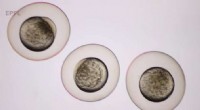
* Identical DNA: Each cell in your body originates from a single fertilized egg, meaning they all inherit the same complete set of DNA.
* Differential Gene Expression: Different cell types have specific functions. To perform these functions, they selectively express different genes. This means they activate and deactivate certain parts of their DNA to produce proteins and carry out their specialized tasks.
Examples:
* Muscle cells express genes for muscle proteins, allowing them to contract and move.
* Brain cells express genes for neurotransmitters and receptors, enabling them to transmit signals.
* Red blood cells express genes for hemoglobin, the protein that carries oxygen.
So, while the DNA sequence is the same, the way it is utilized and expressed varies dramatically between different cells in an organism. This is what allows for the amazing diversity of cells and tissues that make up our bodies.