1. Growth and Development: Cells divide and multiply, enabling organisms to grow and develop from a single fertilized egg into a complex, multicellular being.
2. Metabolism: Cells carry out all the chemical reactions necessary for life, such as breaking down nutrients to produce energy (cellular respiration) and synthesizing new molecules (protein synthesis).
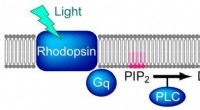
3. Response to Stimuli: Cells possess receptors that detect changes in their environment (light, temperature, chemicals) and trigger appropriate responses, allowing organisms to adapt to their surroundings.
4. Reproduction: In many organisms, specialized cells (gametes) combine to form new individuals, ensuring the continuation of the species.
5. Movement: Some cells possess specialized structures (cilia, flagella) that enable them to move independently or contribute to the movement of the organism as a whole.
6. Communication: Cells communicate with each other through various signaling mechanisms, coordinating their activities and ensuring proper functioning of the organism.
7. Specialization: In multicellular organisms, cells differentiate into specialized types (muscle cells, nerve cells, etc.) with distinct functions, enabling the formation of tissues, organs, and organ systems.
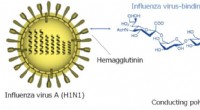
8. Protection: Some cells are involved in the immune system, protecting the organism from pathogens and foreign invaders.
9. Repair and Maintenance: Cells can repair damaged tissues and replace old or worn-out cells, ensuring the longevity of the organism.
10. Adaptation and Evolution: Over long periods, changes in the genetic makeup of cells can lead to adaptation and evolution, enabling organisms to thrive in diverse environments.
In summary, cells are the essential units of life, responsible for all the processes that allow organisms to survive, grow, reproduce, and interact with their environment.