Appearance:
* Shape: Height, width, length, proportions
* Color: Skin, hair, eyes, fur
* Texture: Smooth, rough, bumpy
* Features: Nose shape, eye shape, ear shape, etc.
Other Physical Characteristics:
* Size: Large, small, tall, short
* Weight: Heavy, light
* Strength: Muscle mass, endurance
* Speed: How fast an organism can move
* Smell: Body odor, scents
* Sound: Voice, bird calls, animal noises
Examples:
* Humans: Eye color, hair color, height, skin tone, freckles
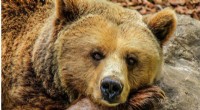
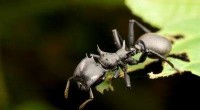
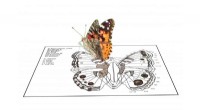
* Animals: Fur pattern, wingspan, beak shape, paw size
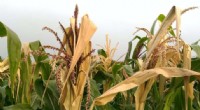
* Plants: Leaf shape, flower color, stem height, fruit size
Important Notes:
* Inherited vs. Acquired: Physical traits can be inherited from parents (e.g., eye color) or acquired during an organism's lifetime (e.g., muscle growth from exercise).
* Variations: Physical traits can vary greatly within a species, leading to diversity.
* Evolution: Over time, changes in physical traits can contribute to the process of evolution.
In essence, a physical trait is anything about an organism that you can see, touch, measure, or detect with your senses.