1. Bacteria:
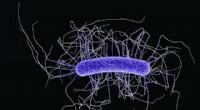
* Single-celled prokaryotes (lacking a nucleus)
* Found in diverse environments, including soil, water, and the human body
* Some are beneficial, while others can cause disease
* Examples: E. coli, Lactobacillus, Salmonella
2. Archaea:
* Single-celled prokaryotes, distinct from bacteria
* Often found in extreme environments, like hot springs or highly saline lakes
* Play important roles in nutrient cycling and bioremediation
* Examples: Methanogens, Halophiles
3. Fungi:
* Eukaryotic organisms (with a nucleus)
* Can be unicellular (yeasts) or multicellular (mushrooms, molds)
* Decomposers, playing a key role in nutrient recycling
* Some are used in food production (bread, cheese)
* Examples: Saccharomyces cerevisiae, Aspergillus niger, Penicillium
4. Protists:
* Diverse group of eukaryotic organisms
* Mostly single-celled, though some are multicellular
* Includes algae (photosynthetic protists), protozoa (animal-like protists), and slime molds
* Important in aquatic ecosystems and can cause disease
* Examples: Paramecium, Amoeba, Euglena, Diatoms
5. Viruses:
* Not considered living organisms, as they cannot reproduce on their own
* Consists of genetic material (DNA or RNA) enclosed in a protein coat
* Require a host cell to replicate
* Can cause various diseases in humans, animals, and plants
* Examples: HIV, influenza virus, COVID-19 virus
6. Viroids:
* Smaller than viruses, consisting of a single strand of RNA without a protein coat
* Cause diseases in plants
* Examples: Potato spindle tuber viroid
This list is not exhaustive, as there are other less commonly known groups of microorganisms, but these are the main groups you should be aware of.