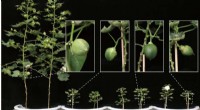
However, the study of angiosperm embryos using experimental methods falls under the broader fields of:
1. Plant Embryology: This field focuses on the development of the embryo within the seed, from fertilization to the formation of the mature embryo. It covers the processes of cell division, differentiation, and pattern formation.
2. Developmental Biology: This broader field encompasses the study of how organisms develop from a single cell into a complex multicellular organism. It includes various experimental approaches to understand the underlying mechanisms and genes involved.
Experimental Approaches Used to Study Angiosperm Embryos:
* Microdissection: Using microscopes and fine instruments, researchers can isolate specific parts of the embryo to study their functions and interactions.
* Genetic manipulation: Techniques like CRISPR-Cas9 allow scientists to create genetic mutations in embryos and study their effects on development.
* Tissue culture: This allows for the controlled growth of embryos or their parts in vitro, facilitating the study of their development in isolated conditions.
* Microscopy: Techniques like confocal microscopy and electron microscopy provide detailed images of embryo structures and cellular processes.
* Molecular biology: Techniques like RNA sequencing and gene expression analysis help researchers identify the genes involved in embryo development and their regulatory networks.
Key Areas of Research in Angiosperm Embryology:
* Fertilization and early embryo development: Studying the mechanisms of pollen tube growth, fertilization, and the establishment of the first cell divisions.
* Embryo patterning and organogenesis: Investigating how the embryo acquires its shape and different organs develop in specific positions.
* Dormancy and germination: Understanding the mechanisms controlling embryo dormancy and the triggers for germination.
* Seed development: Studying the development of the seed coat, endosperm, and the role of hormones in seed maturation.
* Evolutionary developmental biology: Investigating the evolutionary origins and changes in angiosperm embryo development.
By using these experimental methods, researchers are constantly gaining new insights into the fascinating processes of angiosperm embryo development, which has significant implications for agriculture, biotechnology, and our understanding of plant diversity.