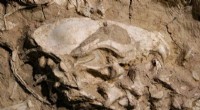
The Process of Decay:
1. Autolysis: This is the initial stage where the organism's own enzymes begin breaking down its tissues from the inside. This process releases nutrients and makes the body more vulnerable to other decomposers.
2. Scavengers: Animals such as insects, birds, and larger predators take advantage of the dead organism, consuming parts of it. This removes flesh and exposes internal tissues to further decomposition.
3. Decomposers: This is where bacteria and fungi take center stage. They feed on the remaining organic matter, breaking it down into simpler substances. Bacteria are particularly important in breaking down proteins, fats, and carbohydrates, while fungi are more efficient at breaking down lignin (a complex compound found in wood).
4. Nutrient Release: As the decomposers work, they release nutrients like nitrogen, phosphorus, and carbon back into the soil and atmosphere. These nutrients are then available for other plants and organisms to use, completing the cycle of life.
Factors Affecting Decomposition:
* Temperature: Warmer temperatures accelerate decomposition, as enzymes work faster.
* Moisture: Bacteria and fungi thrive in moist environments, so wet conditions speed up decomposition.
* Oxygen: Aerobic bacteria require oxygen, so decay in well-oxygenated environments is faster. However, anaerobic bacteria can still decompose organic matter in oxygen-poor environments.
* The organism's composition: Different organisms have different amounts of proteins, fats, and carbohydrates, which affect the rate and type of decomposition.
What's Left Behind:
In the end, the organism is broken down into simpler compounds. The final product is a mixture of humus (a stable form of decomposed organic matter) and inorganic compounds, enriching the soil and contributing to the ecosystem.
Importance of Decomposition:
Decomposition is a vital process in all ecosystems. It:
* Recycles nutrients: Without decomposition, nutrients would be locked up in dead organisms, making them unavailable for new life.
* Creates soil: Humus contributes to soil fertility, supporting plant growth.
* Breaks down harmful substances: Decomposers help remove waste and pollutants from the environment.
In Conclusion:
Decomposition is a natural and essential process that transforms dead organisms into valuable resources, ensuring the continuation of life on Earth. It is a vital part of the nutrient cycle and plays a crucial role in maintaining a healthy ecosystem.