1. Cell Membrane: Both types of cells have a cell membrane, a phospholipid bilayer that encloses the cell and regulates the passage of substances in and out.
2. Cytoplasm: The interior of the cell, where many metabolic reactions occur, is filled with a gel-like substance called cytoplasm.
3. Ribosomes: Both eukaryotes and prokaryotes have ribosomes, small organelles responsible for protein synthesis.
4. DNA: Both cell types contain DNA, the genetic material that carries the instructions for the cell's functions.
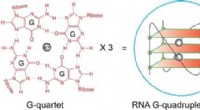
5. RNA: RNA is also present in both types of cells, playing crucial roles in protein synthesis and other cellular processes.
6. Energy Production: Both prokaryotes and eukaryotes produce energy through metabolic processes. While eukaryotes have mitochondria for respiration, prokaryotes may use the cell membrane or other structures for similar functions.
7. Enzymes: Both types of cells contain a variety of enzymes, which are proteins that catalyze (speed up) biochemical reactions.
It's important to note that the structure and complexity of these components differ significantly between eukaryotes and prokaryotes.
For example:
* DNA: In eukaryotes, DNA is organized into linear chromosomes within a nucleus, whereas in prokaryotes, DNA is circular and located in a region called the nucleoid.
* Ribosomes: Eukaryotic ribosomes are larger than prokaryotic ribosomes.
* Energy Production: While eukaryotes have specialized mitochondria for respiration, prokaryotes may use the cell membrane or other structures for similar functions.
Despite these differences, the commonalities between eukaryotes and prokaryotes highlight their shared evolutionary origins and essential life processes.