Molecular Techniques:
* DNA sequencing: Determining the precise order of nucleotides in a DNA molecule. This is used to identify genes, mutations, and genetic variations.
* PCR (Polymerase Chain Reaction): Amplifying specific DNA sequences to create millions of copies for further analysis.
* Restriction enzyme digestion: Using enzymes to cut DNA at specific sequences, allowing analysis of DNA fragments.
* Gel electrophoresis: Separating DNA fragments by size, allowing identification of specific genes or mutations.
* Southern blotting: Transferring DNA fragments from a gel to a membrane for hybridization with labeled probes, allowing detection of specific DNA sequences.
* Northern blotting: Similar to Southern blotting, but used for detecting specific RNA sequences.
* Western blotting: Detecting specific proteins in a sample using antibodies.
Cellular and Organismal Techniques:
* Cell culture: Growing and manipulating cells in a controlled environment for studying gene expression and function.
* Animal models: Studying genetic mechanisms in living organisms, often using mice or flies.
* Genome-wide association studies (GWAS): Examining variations across the entire genome to identify genetic variants associated with diseases or traits.
* Gene editing techniques (e.g., CRISPR-Cas9): Precisely altering DNA sequences to study gene function or potentially correct genetic defects.
Computational Tools:
* Bioinformatics: Using computer algorithms and databases to analyze large datasets of genetic information.
* Genotype and phenotype databases: Storing and analyzing genetic data from individuals and populations.
* Statistical analysis: Determining the significance of genetic findings and drawing conclusions about inheritance patterns.
Other Important Tools:
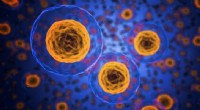
* Microscopes: Visualizing cells and cellular components, including chromosomes and DNA.
* Flow cytometry: Sorting and analyzing cells based on their properties, such as gene expression.
* Microarrays: Studying the expression of thousands of genes simultaneously.
Geneticists use these diverse tools and techniques to:
* Uncover the mechanisms of inheritance
* Identify genes responsible for specific diseases or traits
* Develop new diagnostic and therapeutic strategies
* Understand the evolution of species
* Develop new crops and livestock
The field of genetics is constantly evolving, with new technologies and approaches being developed all the time.