Here's why:
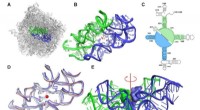
* Protein Synthesis: Ribosomes are the sites of protein synthesis. They read the genetic code from messenger RNA (mRNA) and use that information to assemble amino acids into protein chains.
* No Membrane: Prokaryotic cells lack membrane-bound organelles like the nucleus, endoplasmic reticulum, and Golgi apparatus. Ribosomes, being relatively simple structures, can exist freely in the cytoplasm of prokaryotes without a membrane.
* Presence in All Cells: Both prokaryotes and eukaryotes have ribosomes, highlighting their fundamental role in cellular function.
Let me know if you have any other questions!