1. Direct Contact:
* Person-to-person: This is the most common mode of transmission. It involves direct physical contact between an infected person and a healthy person, like:
* Touching: Touching an infected person's skin or mucous membranes (nose, mouth, eyes).
* Kissing: Sharing saliva through kissing.
* Sexual contact: Sharing bodily fluids during sexual activity.
* Sharing personal items: Sharing items like toothbrushes, razors, or utensils that have come into contact with an infected person's saliva or blood.
* Animal-to-person: This involves contact with infected animals or their bodily fluids, such as:
* Petting or handling infected animals: Touching an animal with an open wound or handling their feces.
* Animal bites: Being bitten by an infected animal.
* Consuming contaminated animal products: Eating undercooked or contaminated meat, poultry, or eggs.
2. Indirect Contact:
* Contaminated objects: This involves touching objects that have been in contact with an infected person or animal. This includes:
* Fomites: Inanimate objects such as doorknobs, toys, phones, keyboards, etc.
* Shared personal items: Sharing items like towels, clothing, or bedding.
* Medical equipment: Using contaminated medical equipment, like needles or catheters.
* Airborne transmission: This involves inhaling microorganisms that are suspended in the air. This can happen through:
* Coughing or sneezing: Droplets expelled from an infected person's mouth or nose.
* Dust particles: Dust particles containing microorganisms can be stirred up and inhaled.
* Foodborne transmission: This involves ingesting contaminated food. This can happen through:
* Improper food handling: Not washing hands properly before handling food or cross-contaminating food with raw meat.
* Contaminated water: Drinking or swimming in water contaminated with microorganisms.
* Waterborne transmission: This involves consuming or coming into contact with contaminated water. This includes:
* Drinking contaminated water: Water that has not been properly treated.
* Swimming in contaminated water: Swimming in lakes or rivers contaminated with fecal matter.
3. Vector-borne Transmission:
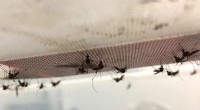
* Insects: This involves being bitten by an infected insect, such as:
* Mosquitoes: Malaria, dengue fever, West Nile virus.
* Ticks: Lyme disease.
* Fleas: Plague.
Factors affecting transmission:
* Type of microorganism: Some microorganisms are more easily transmitted than others.
* Infectivity of the microorganism: This refers to the ability of the microorganism to cause infection.
* Immune system of the recipient: A weakened immune system is more susceptible to infection.
* Environmental conditions: Some microorganisms are more likely to survive in certain environments, such as warm and humid climates.
Understanding how microorganisms are transmitted is crucial for preventing the spread of disease. Maintaining good hygiene, practicing safe food handling, and staying informed about current outbreaks are essential measures for protecting yourself and others.