Here's how it works:
1. Glycolysis: This process takes place in the cytoplasm and breaks down glucose (a sugar) into pyruvate. This produces a small amount of ATP (2 molecules).
2. Krebs Cycle (Citric Acid Cycle): Pyruvate enters the mitochondria and is further broken down. This process produces some ATP (2 molecules), but its primary function is to generate electron carriers (NADH and FADH2).
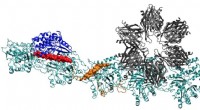
3. Electron Transport Chain: This final stage occurs in the inner membrane of the mitochondria. NADH and FADH2 donate electrons, which fuel a series of reactions that pump protons across the membrane, creating a concentration gradient. The protons then flow back across the membrane through ATP synthase, driving the production of ATP. This is the most efficient stage of cellular respiration, generating the majority of ATP (around 32 molecules per glucose molecule).
Other processes that contribute to ATP production:
* Anaerobic respiration: This process occurs in the absence of oxygen and produces a small amount of ATP through glycolysis.
* Creatine phosphate: This molecule acts as a temporary energy reserve in muscle cells, and can be used to quickly generate ATP.
* Beta oxidation: This process breaks down fatty acids into acetyl-CoA, which can then enter the Krebs cycle to generate ATP.
So, while mitochondria are the primary site of ATP production, other processes also contribute to maintaining the body's energy supply.