Here's a breakdown:
* Anaerobic: Means "without air" or "without oxygen."
* Oxygen: Most life forms on Earth are aerobic, meaning they need oxygen to survive.
* Sunlight: Some organisms are phototrophic, meaning they use sunlight for energy (like plants). Others are chemotrophic, meaning they obtain energy from chemical sources.
Examples of Anaerobic Organisms:
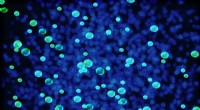
* Bacteria: Many types of bacteria are anaerobic, including those found in deep-sea vents, swamps, and the human gut.
* Archaea: A domain of single-celled organisms that often thrive in extreme environments like hot springs and salt lakes.
* Some Protists: These are single-celled eukaryotes, some of which can survive without oxygen.
* Some Fungi: Some types of fungi are anaerobic.
How Anaerobic Organisms Obtain Energy:
Anaerobic organisms get their energy from various chemical reactions that don't involve oxygen, often using:
* Fermentation: Breaking down sugars to produce energy.
* Chemosynthesis: Using energy from inorganic chemicals (like hydrogen sulfide or methane) to make food.
Let me know if you'd like more details about any of these concepts!