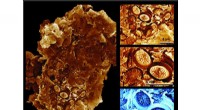
1. Surface Area to Volume Ratio: As a cell grows, its volume increases at a faster rate than its surface area. This means the cell's surface area becomes relatively smaller compared to its volume. This presents a problem because the cell's surface area is responsible for the exchange of materials (nutrients in, waste out). If the surface area is too small relative to the volume, the cell may not be able to take in enough nutrients or expel waste quickly enough, leading to inefficiency and potential death.
2. DNA Overload: As a cell grows, the amount of DNA within the cell remains the same. However, the cell needs to produce more proteins and regulate more cellular processes. This means that the DNA has to work harder to control a larger volume of cytoplasm. If the cell grows too large, the DNA can become overwhelmed, leading to errors in protein synthesis and other cellular functions.
These are just two of the challenges cells face as they grow. To overcome these problems, cells often divide, creating smaller cells with a better surface area to volume ratio and less DNA overload.