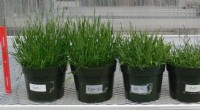
1. Photosynthesis: Plants, algae, and some bacteria use sunlight, water, and carbon dioxide to produce glucose through photosynthesis. This is the primary source of glucose for most ecosystems.
2. Breakdown of carbohydrates: Animals and many other organisms consume food containing carbohydrates like starches and sugars. These carbohydrates are then broken down into glucose through digestion.
3. Gluconeogenesis: In certain situations, organisms can create glucose from non-carbohydrate sources like amino acids or glycerol. This process is called gluconeogenesis and is important for maintaining blood glucose levels when dietary intake is low.
So, while organisms don't "make" glucose in the same way a factory does, they utilize different pathways and processes to obtain and utilize glucose as a fundamental energy source.