Animals
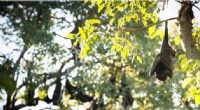
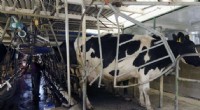
* Mammals: Humans, dogs, cats, whales, bats, etc.
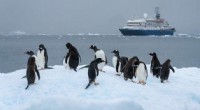
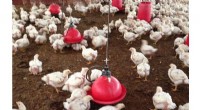
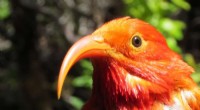
* Birds: Chickens, eagles, penguins, ostriches, etc.
* Reptiles: Snakes, lizards, turtles, crocodiles, etc.
* Amphibians: Frogs, toads, salamanders, etc.
* Fish: Salmon, tuna, sharks, goldfish, etc.
* Insects: Butterflies, bees, ants, beetles, etc.
* Worms: Earthworms, roundworms, flatworms, etc.
* Mollusks: Snails, slugs, octopuses, squid, etc.
Plants
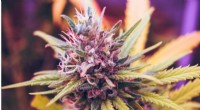
* Flowering plants (Angiosperms): Roses, lilies, sunflowers, trees like oak and maple, etc.
* Conifers (Gymnosperms): Pines, firs, spruces, etc.
* Ferns: Various species of ferns
* Mosses: Various species of mosses
Fungi
* Mushrooms: Many species of mushrooms
* Yeasts: Various species of yeasts
Protists
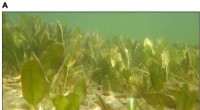
* Some algae: Some species of algae reproduce sexually, while others reproduce asexually.
Note: There are also some organisms that can reproduce both sexually and asexually. For example, some species of plants, fungi, and protists can reproduce asexually through mechanisms like budding, fragmentation, or parthenogenesis, but they also reproduce sexually under certain conditions.