Here's a breakdown:
1. Single Cell Death in Multicellular Organisms:
* Normal Process: Cell death is a natural part of life in multicellular organisms. Cells have a limited lifespan and undergo programmed cell death (apoptosis) to make way for new cells. This process helps maintain tissue health and removes damaged or unnecessary cells.
* Minimal Impact: The death of a single cell typically has no noticeable impact on the organism. The body has mechanisms to replace lost cells, so the function of the tissue is maintained.
2. Multiple Cell Death:
* Tissue Damage: When multiple cells in a specific tissue die, it can lead to tissue damage. For example, a burn can damage a large number of skin cells.
* Organ Dysfunction: If cell death affects a vital organ, it can lead to organ dysfunction. For instance, cell death in the pancreas can contribute to diabetes.
* Disease: Extensive cell death in specific tissues can contribute to various diseases, including cancer, Alzheimer's disease, and heart disease.
3. Single Cell Death in Unicellular Organisms:
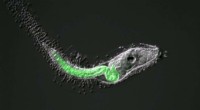
* The End: For single-celled organisms like bacteria or amoebas, cell death is the end of the organism's existence.
Important Factors:
* Cell Type: The significance of cell death varies depending on the type of cell. For example, the death of a neuron in the brain can have more severe consequences than the death of a skin cell.
* Location: The location of cell death also influences its impact. Cell death in a vital organ, like the heart, can be life-threatening.
* Organism's Age and Health: Younger, healthier organisms are better equipped to repair damage and replace lost cells.
In summary:
* Single cell death is usually inconsequential.
* Multiple cell death can lead to tissue damage, organ dysfunction, and disease.
* Cell death in single-celled organisms is equivalent to death of the whole organism.