Basic Structures:
* Plasma membrane: This outer boundary controls what enters and exits the cell.
* Cytoplasm: The gel-like substance that fills the cell and contains organelles.
* Ribosomes: These are responsible for protein synthesis.
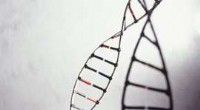
* DNA: The genetic material of the cell, housed within the nucleus in both.
* Mitochondria: The powerhouses of the cell, responsible for generating energy (ATP).
* Endoplasmic reticulum (ER): A network of membranes involved in protein and lipid synthesis and transport.
* Golgi apparatus: Processes and packages proteins and lipids.
* Lysosomes: Contain enzymes that break down waste materials.
* Peroxisomes: Involved in detoxification and other metabolic processes.
Functions:
* Growth and development: Both cell types grow and develop by producing new cells.
* Metabolism: Both cells carry out chemical reactions to generate energy and maintain life.
* Response to stimuli: Both cells respond to changes in their environment, such as temperature or chemical signals.
* Reproduction: Both cell types can divide to create new cells.
It's important to note that while there are many similarities, there are also key differences between plant and animal cells:
* Cell walls: Plant cells have rigid cell walls made of cellulose that provide support and structure. Animal cells lack cell walls.
* Chloroplasts: Plant cells contain chloroplasts, which are responsible for photosynthesis. Animal cells lack chloroplasts.
* Vacuoles: Plant cells often have a large central vacuole that stores water and other materials. Animal cells have smaller vacuoles.
* Centrioles: Animal cells have centrioles, which play a role in cell division. Plant cells lack centrioles.
So, while there are many similarities, the presence of these specific structures and functions differentiates plant cells from animal cells.