1. Replacing Damaged or Worn-Out Cells:
* Cells are constantly exposed to damage from factors like UV radiation, toxins, or simply wear and tear. Cell division replaces these damaged cells with new, healthy ones, ensuring the integrity of tissues and organs. This process is vital for repairing injuries and maintaining the overall structure and function of the organism.
2. Growth and Development:
* From a single fertilized egg, cell division drives the growth and development of a multicellular organism. It increases the number of cells, leading to the formation of different tissues, organs, and ultimately, the complete organism. Without cell division, growth and development would be impossible.
3. Maintaining Tissue Size and Function:
* Even in adult organisms, cell division continues to maintain tissue size and function. For example, red blood cells have a short lifespan and require constant replenishment through cell division. This process ensures a steady supply of these cells for oxygen transport. Similarly, cell division in the skin replaces old, dead cells with new ones, maintaining the protective barrier of the skin.
4. Repairing Injuries:
* When tissues are injured, cell division plays a crucial role in the healing process. Damaged cells are replaced by new ones, allowing the tissue to regenerate and restore its function. This process is vital for restoring the integrity of the body after injury or surgery.
5. Maintaining Organ Function:
* Each organ in the body is made up of specialized cells that perform specific functions. Cell division ensures that the number of these specialized cells is maintained, allowing the organ to function properly. For example, the liver requires continuous cell division to replenish damaged cells and maintain its ability to detoxify the blood.
6. Renewal of Immune Cells:
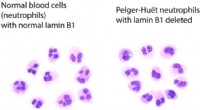
* The immune system relies heavily on cell division to maintain its effectiveness. White blood cells, which fight off infections, are constantly being produced through cell division. This process ensures that the immune system can respond quickly and effectively to new threats.
Overall, cell division is a fundamental process that allows living things to maintain homeostasis by ensuring the replacement of damaged cells, facilitating growth and development, maintaining tissue size and function, repairing injuries, renewing immune cells, and overall ensuring the proper functioning of all organs and systems.