* Surface Area: This is the total area of the cell's outer membrane. It determines how much material can enter and leave the cell.
* Volume: This is the amount of space inside the cell. It determines how much the cell needs to transport and how much space is needed for internal processes.
The problem: As a cell grows, its volume increases much faster than its surface area. Think of a balloon: as you inflate it, its volume increases rapidly, but its surface area only expands proportionally.
Why this matters:
* Nutrient uptake and waste removal: A larger volume needs more nutrients and produces more waste. However, a smaller surface area means less space for transport of these materials in and out. Eventually, the cell's surface area becomes too small to support the needs of its volume.
* Diffusion: Many essential substances move through the cell membrane by diffusion. As a cell grows, the distance for these substances to travel increases, making diffusion less efficient.
* DNA control: The cell's DNA needs to control all the activities within the cell. As the cell grows larger, DNA would be overwhelmed trying to manage an increasingly larger volume.
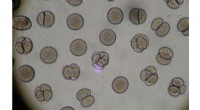
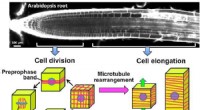
The solution: Instead of growing infinitely large, cells divide! This allows the cell to maintain a favorable surface area-to-volume ratio, ensuring efficient transport and proper internal processes.
In summary: The size limit of cells is a consequence of the physical constraints of diffusion, nutrient uptake, and waste removal, all governed by the relationship between surface area and volume. By dividing, cells maintain a manageable size and ensure efficient operation.