Here's why:
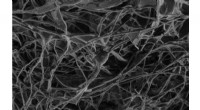
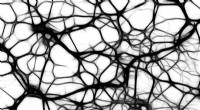
* Structural Support: The cytoskeleton is a network of protein filaments that provides structural support and helps the cell maintain its shape. Imagine it like the internal scaffolding of a building.
* Internal Organization: It also helps organize the cell's internal components, ensuring that organelles are positioned correctly and can function effectively.
* Movement: In some cases, the cytoskeleton can also be involved in cell movement, like the movement of cilia and flagella.
There are three main types of filaments in the cytoskeleton:
* Microtubules: Long, hollow tubes that are important for maintaining cell shape, transporting materials within the cell, and moving cilia and flagella.
* Microfilaments: Thin, solid rods that are important for maintaining cell shape, muscle contraction, and cell division.
* Intermediate filaments: Rope-like fibers that provide strength and support to the cell.
So, while many cellular components contribute to overall cell function, the cytoskeleton is specifically responsible for providing the internal framework that keeps the cell from collapsing.