Here's a breakdown of how animal and plant cells differ in terms of net movement, focusing on the key factors:
1. Cell Wall:
* Plant cells: Possess a rigid cell wall made of cellulose. This provides structural support, preventing excessive expansion and maintaining cell shape. The cell wall restricts net movement of water, limiting turgor pressure changes.
* Animal cells: Lack a cell wall. Their plasma membrane is the outermost layer, offering flexibility and allowing for greater changes in cell shape and size. This enables more dynamic movements, including amoeboid movement.
2. Vacuole:
* Plant cells: Have a large central vacuole that can occupy up to 90% of the cell volume. This vacuole stores water and contributes significantly to turgor pressure, maintaining cell shape and rigidity. Net water movement into the vacuole increases turgor pressure, pushing the cell against the cell wall, leading to an increase in cell size.
* Animal cells: Have smaller vacuoles that serve diverse functions, but their role in cell size and shape is less significant. Animal cells can change shape and size more readily, enabling locomotion and other forms of movement.
3. Cytoskeleton:
* Plant cells: While possessing a cytoskeleton, its role in movement is less pronounced compared to animal cells. Plant cells rely more on growth and expansion for movement, especially in response to external stimuli like light.
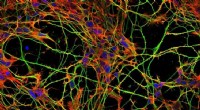
* Animal cells: Have a highly organized cytoskeleton composed of microtubules, microfilaments, and intermediate filaments. This network plays a critical role in cell shape, movement, and intracellular transport. It enables processes like amoeboid movement, cilia and flagella movement, and vesicle trafficking.
4. Locomotion:
* Plant cells: Generally immobile, except for limited growth movements. They exhibit limited movement via cytoplasmic streaming and specialized movements like tendril coiling.
* Animal cells: Exhibit various modes of locomotion, including amoeboid movement, cilia and flagella movement, and muscle contraction. This allows for active movement and migration within the body, aiding in functions like immune responses, tissue repair, and organ development.
5. Water Movement:
* Plant cells: Water movement is crucial for turgor pressure maintenance. The cell wall restricts water movement, leading to a more controlled and localized change in cell size.
* Animal cells: Water movement is essential for various cellular processes but does not play a dominant role in cell size regulation. The absence of a cell wall allows for more fluid water movement, contributing to changes in cell shape and volume.
In summary, animal cells are more dynamic in their movements due to the lack of a rigid cell wall and the more developed cytoskeleton. Plant cells, with their cell wall and large vacuoles, exhibit a more controlled and regulated movement primarily through growth and turgor pressure changes.