Here's a more detailed explanation:
* Amino Acids: These are the building blocks of proteins. There are 20 different types of amino acids commonly found in proteins. Each amino acid has a central carbon atom bonded to:
* An amino group (-NH2)
* A carboxyl group (-COOH)
* A hydrogen atom (-H)
* A side chain (R-group) that varies between amino acids.
* Polypeptide Chains: Amino acids are linked together in a chain through peptide bonds, forming polypeptide chains. These chains can be very long and complex.
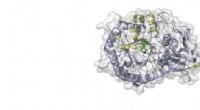
* Protein Structure: The structure of a protein is crucial to its function. The polypeptide chains fold into specific three-dimensional shapes, which are determined by the sequence of amino acids and interactions between them.
* Functions of Proteins: Proteins perform a wide range of functions in living organisms, including:
* Enzymes: Catalyze biochemical reactions
* Structural components: Provide support and shape to cells and tissues
* Hormones: Act as chemical messengers
* Antibodies: Help the immune system fight off infections
* Transport proteins: Carry molecules across cell membranes
* Storage proteins: Store nutrients