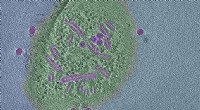
1. Cell Wall: A rigid outer layer made of cellulose, hemicellulose, and pectin that provides structural support and protection.
2. Chloroplasts: Organelles responsible for photosynthesis, containing chlorophyll that captures light energy.
3. Vacuole: A large, fluid-filled sac that stores water, nutrients, and waste products. It also helps regulate cell turgor pressure.
4. Plasmodesmata: Channels that connect adjacent plant cells, allowing for communication and transport of molecules.
5. Plastids: A group of organelles involved in various functions, including photosynthesis, storage, and pigment synthesis. Besides chloroplasts, other types include chromoplasts and leucoplasts.
6. Amyloplasts: Specialized plastids that store starch.
7. Glyoxysomes: Specialized peroxisomes that play a role in the breakdown of fatty acids.
These structures are essential for plant cells to perform their unique functions, such as photosynthesis, structural support, and storage.