Defining Features:
* Membrane-bound nucleus: Contains the organism's genetic material (DNA) in the form of chromosomes.
* Organelles: Specialized compartments within the cell, each performing specific functions (e.g., mitochondria for energy production, Golgi apparatus for protein processing).
* Cytoplasm: Gel-like substance filling the cell, where various cellular processes occur.
* Complex cellular structure: Possessing internal structures like the cytoskeleton for support and movement.
* Larger cell size: Generally larger than prokaryotes (bacteria and archaea).
Diversity within the Domain:
The eukaryote domain is incredibly diverse, encompassing a vast array of organisms, including:
* Protists: A diverse group of mostly single-celled organisms (e.g., amoebas, algae).
* Fungi: Heterotrophic organisms that absorb nutrients from their environment (e.g., mushrooms, yeasts).
* Plants: Autotrophic organisms that produce their own food through photosynthesis (e.g., trees, flowers).
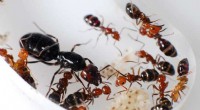
* Animals: Heterotrophic organisms that obtain food by consuming other organisms (e.g., humans, insects).
Significance:
The eukaryote domain holds immense importance for life on Earth:
* Foundation of ecosystems: Eukaryotes play crucial roles in ecological processes like photosynthesis, decomposition, and nutrient cycling.
* Human health: Many eukaryotes are essential for human health, such as gut bacteria, while others can cause diseases.
* Scientific research: Eukaryotic models are widely used in scientific research to understand fundamental biological processes.
In summary, the eukaryote domain encompasses all life forms with complex, compartmentalized cells. It exhibits incredible diversity, playing vital roles in various ecosystems and impacting human life in numerous ways.