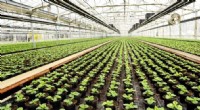
* Photosynthesis: This is the process where plants use sunlight, water, and carbon dioxide to create their own food (glucose) and release oxygen. Animal cells cannot perform photosynthesis, meaning they must consume other organisms for energy.
* Cell Wall: Plant cells have a rigid cell wall made of cellulose, providing structural support and allowing the plant to stand upright. Animal cells lack this cell wall, instead relying on their cytoskeleton for structure.
* Large Vacuoles: Plant cells contain a large central vacuole that stores water, nutrients, and waste products, helping to regulate the cell's internal environment. Animal cells may have smaller vacuoles, but not as prominent as the central vacuole in plants.
* Plastids: These organelles, including chloroplasts, are responsible for various functions like photosynthesis, storage, and pigment production. Animal cells do not have plastids.
So, in essence, plant cells can create their own food through photosynthesis, maintain their shape with a rigid cell wall, and store vast amounts of resources in their large vacuoles. These capabilities are unique to plant cells and contribute to their ability to thrive as producers in the ecosystem.