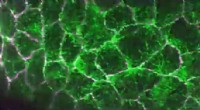
1. Both have cell walls: This is the most striking similarity. Both bacteria and plant cells have a rigid cell wall surrounding their cell membrane. This provides structural support and protection.
2. Both have DNA: Both bacteria and plant cells contain DNA, the genetic material that carries their instructions for life. However, bacteria have a single, circular chromosome located in the cytoplasm, while plants have multiple linear chromosomes within a nucleus.
3. Both can perform photosynthesis (in some cases): While most bacteria are heterotrophic, meaning they obtain energy by consuming other organisms, some bacteria, like cyanobacteria, are photosynthetic. They can use sunlight to convert carbon dioxide and water into sugar for energy, just like plants.
4. Both can reproduce asexually: Both bacteria and plants can reproduce asexually. Bacteria divide by binary fission, a simple process of duplicating their DNA and splitting into two identical cells. Plants can reproduce through various asexual methods like budding, runners, or vegetative propagation.
5. Both have ribosomes: Ribosomes are essential for protein synthesis. Both bacteria and plants have ribosomes, although their structures differ slightly.
Important Differences:
Despite these similarities, bacteria and plants are fundamentally different:
* Complexity: Plant cells are much more complex than bacterial cells, containing specialized organelles like chloroplasts, mitochondria, and a nucleus.
* Eukaryotic vs. Prokaryotic: Plants are eukaryotic, meaning they have a nucleus and other membrane-bound organelles. Bacteria are prokaryotic, lacking a nucleus and other internal membrane-bound structures.
* Size: Plant cells are generally much larger than bacterial cells.
* Organization: Plants are multicellular organisms with tissues and organs, while bacteria are single-celled organisms.
In summary, while bacteria and plants share some structural and functional similarities, they are distinct and evolved independently. Understanding these similarities and differences is crucial for comprehending the diversity of life on Earth.