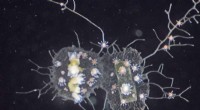
1. Biological Evolution: This is the most common meaning of the term. It refers to the process of change in the inherited traits of a population of organisms over successive generations. This change is driven by natural selection, which favors individuals with traits that make them better adapted to their environment. Over time, these advantageous traits become more common in the population, leading to gradual changes in the species.
2. Evolution (general): This refers to a more general process of change and development over time. It can apply to anything that changes, such as ideas, technologies, languages, or even the universe itself.
3. Evolution (in specific context): Sometimes, "evolution" is used to refer to the development of something specific, like the "evolution of the internet" or the "evolution of music."
Key Points to Consider:
* Natural selection: Biological evolution is driven by natural selection, which is a key concept in evolutionary biology.
* Gradual change: Evolution is usually a gradual process that occurs over long periods of time.
* Adaptation: Evolutionary changes often result in adaptations that make organisms better suited to their environment.
* Common ancestry: Evolutionary theory also proposes that all life on Earth shares a common ancestor.
Examples of evolution:
* The evolution of the human brain: Our brain has evolved over millions of years to become larger and more complex.
* The evolution of antibiotic resistance: Bacteria can evolve resistance to antibiotics, which is a serious threat to human health.
* The evolution of language: Human language has evolved over time, becoming more complex and sophisticated.
It's important to remember that evolution is a scientific theory supported by a vast amount of evidence. It is not a belief system or a matter of opinion.